Diabetes is a prevalent chronic condition that demands a deeper understanding to address its complexities and impact effectively.
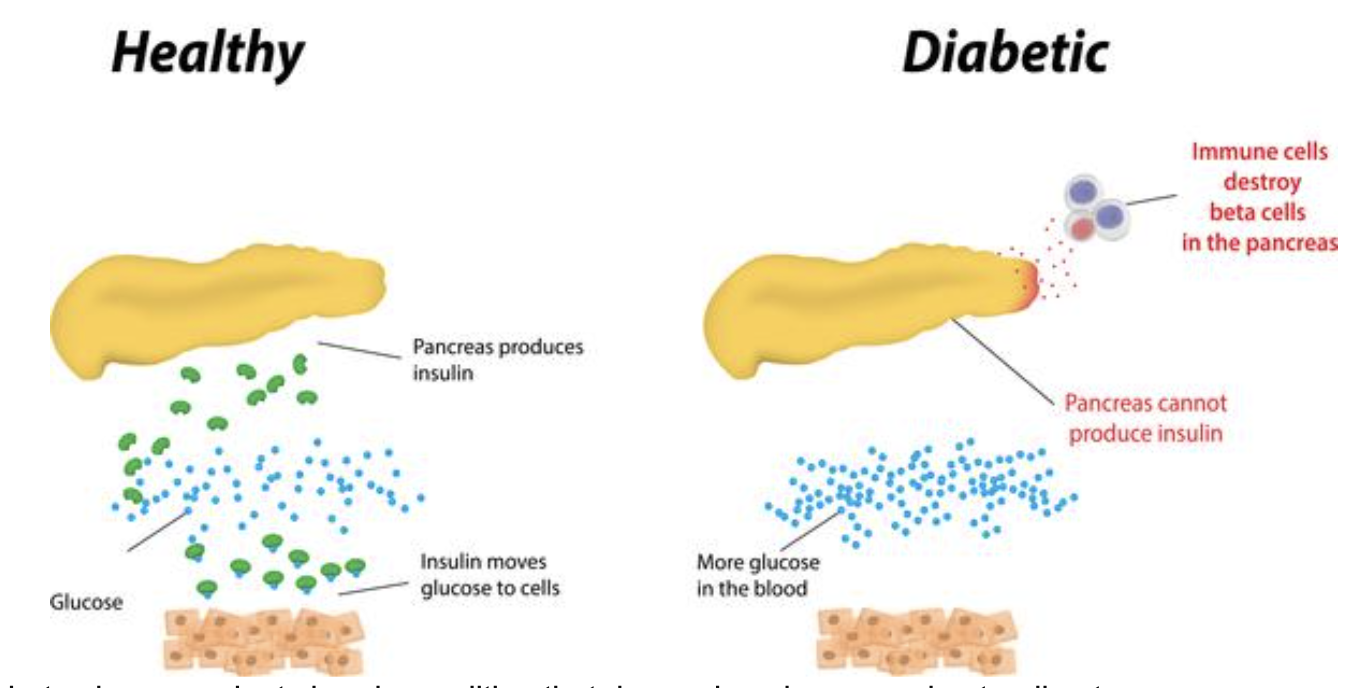
Essentially, it’s like a traffic jam for glucose in the bloodstream. When you eat, your body breaks down food into glucose, which is used for energy. Insulin, produced by the pancreas, acts like a key to unlock cells so they can absorb glucose.
In diabetes, this system doesn’t work smoothly. There are two main types: Type 1 diabetes is an autoimmune condition where the body’s immune system attacks and destroys insulin-producing cells in the pancreas, leading to little to no insulin production. Type 2 diabetes occurs when the body becomes resistant to insulin or doesn’t produce enough insulin.
Left unmanaged, diabetes can lead to serious complications like heart disease, nerve damage, and vision problems.
However, the good news is with the right lifestyle choices and treatment, people can effectively manage diabetes and live healthy lives. Let’s explore more about diabetes and how to navigate its challenges.
Fortunately, there is a growing emphasis on preventive measures and holistic approaches to diabetes care. Lifestyle interventions such as adopting a balanced diet, engaging in regular physical activity and maintaining a healthy weight play crucial roles in preventing Type 2 diabetes and managing both Type 1 and Type 2 diabetes effectively.
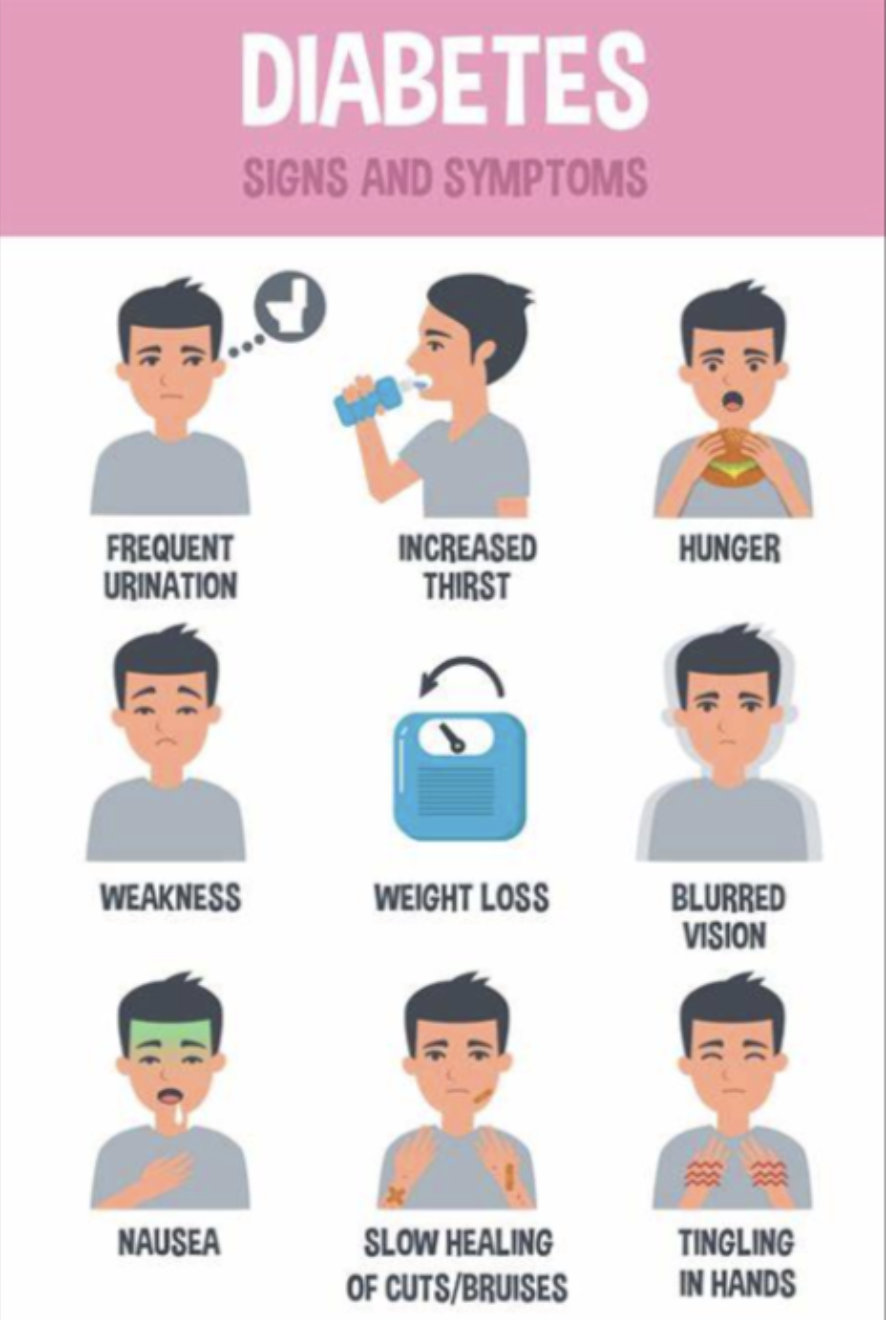
It is important to have a good understanding of the signs of diabetes. The earlier the intervention, the better the outcome! Signs and symptoms of diabetes mainly relates to having excessive amounts of sugar in your bloods.
Urinating more than normal – Your body is trying to get rid of the excess amount of blood sugar to regulate the level.
Feeling thirsty all the time – You lose a high amount of fluids as your body is trying to get rid of the excessive amount of sugar.
Feeling very tired – Your muscles are not getting the sugar they require for energy.
Losing weight without trying – Your body is using reserved energy, by burning fat and muscle.
Getting frequent urinary tract infection – Having a high glucose concentration in your urine makes it a better living environment for bacteria.
These symptoms on their own do not diagnose you with diabetes but are signs that you should speak to a healthcare professional. Have a chat with one of our pharmacists if you think you are experiencing any of these symptoms.